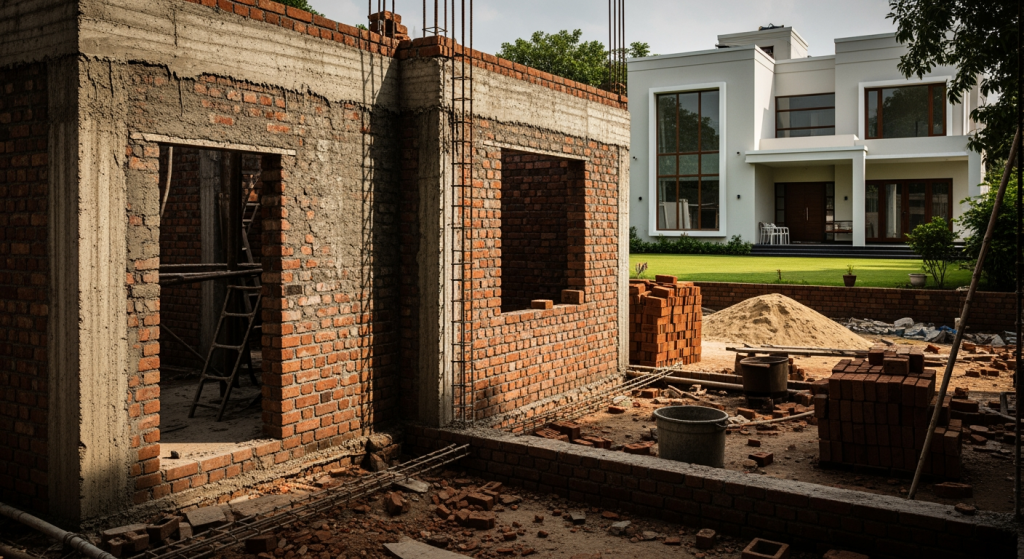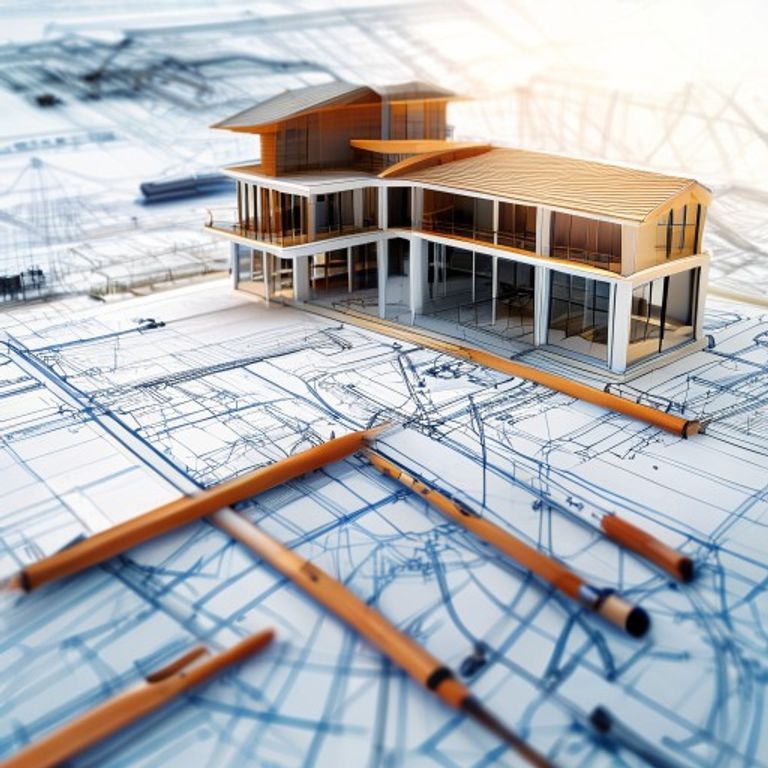
Introduction: The Journey from Blueprint to Reality
Building a home is one of the most significant investments of a lifetime. However, for most homeowners, the transition from a beautiful 3D render to a physical structure is fraught with anxiety.
The gap between a “Dream Home” and a “Completed Home” is filled with hundreds of decisions, dozens of vendors, and a constant battle against timelines and budgets. This is where Construction Project Management (CPM) becomes the difference between a stressful ordeal and a seamless experience.
The Construction Lifecycle: A Step-by-Step Breakdown
Successful construction isn’t about the bricks and mortar; it’s about the process. A professional management approach breaks the project into five critical phases:
1. Planning & Design: The Foundation of Success
Before a single shovel hits the ground, a rigorous planning phase is required. This includes:
- Architectural Alignment: Ensuring the design meets functional needs and local building codes.
- Feasibility Studies: Assessing the plot and soil to prevent future structural failures.
- Detailed Specifications: Defining the exact materials, from the grade of steel to the finish of the tiles.
2. Budgeting & Cost Estimation: Stopping the ‘Budget Creep’
The most common horror story in Indian construction is the “budget creep”—where a project estimated at 50 Lakhs ends up costing 80 Lakhs.
- Bill of Quantities (BOQ): Creating a precise list of every material and labour hour required.
- Contingency Planning: Allocating a realistic buffer for market price fluctuations.
- Cash Flow Management: Planning payments based on milestones, not just calendar dates.
3. Procurement & Vendor Management
Finding a reliable contractor is easy; finding a disciplined one is hard. Project management involves:
- Vetting Contractors: Checking past projects and verifying technical capability.
- Comparative Analysis: Comparing multiple quotes to ensure fair market pricing without sacrificing quality.
- Contract Enforcement: Ensuring vendors adhere to the agreed-upon specifications and timelines.
4. Execution & Quality Control: The On-Site Battle
The most critical failures happen during execution. Professional management ensures:
- Daily Supervision: Verifying that the reinforcement is correct before the concrete is poured.
- Material Testing: Checking the quality of cement and bricks arriving on site.
- Timeline Tracking: Using Gantt charts or schedules to ensure the project doesn’t stall.
5. Handover & Final Audit
The project isn’t done when the paint dries. The final phase includes:
- Snag Listing: Identifying every minor defect (a leaking tap, a crooked switch) and ensuring it’s fixed before final payment.
- Documentation: Gathering all warranties and “as-built” drawings for future maintenance.
The Hidden Risks of DIY Management
Many homeowners attempt to manage their own construction to “save on consultant fees.” In reality, this often leads to:
- Quality Lapses: Contractors cutting corners when no technical expert is watching.
- Timeline Slippage: Projects that take 18 months instead of 12.
- Hidden Costs: Paying for wasted materials or expensive corrections due to early-stage errors.
The Value of a Project Management Consultant (PMC)
A PMC doesn’t just “watch” the site; they act as the homeowner’s professional representative. By bringing a PMC on board, you gain:
- Absolute Transparency: You know exactly where every rupee is going.
- Technical Authority: The contractor knows they cannot hide mistakes from a professional.
- Peace of Mind: You focus on the vision of your home while we handle the stress of the site.
Conclusion: Build with Confidence
Construction is a complex industrial process. Treating it as a simple “hire a contractor” task is a risk most homeowners cannot afford. By applying professional project management principles, you ensure that your home is built on a foundation of quality, transparency, and precision.