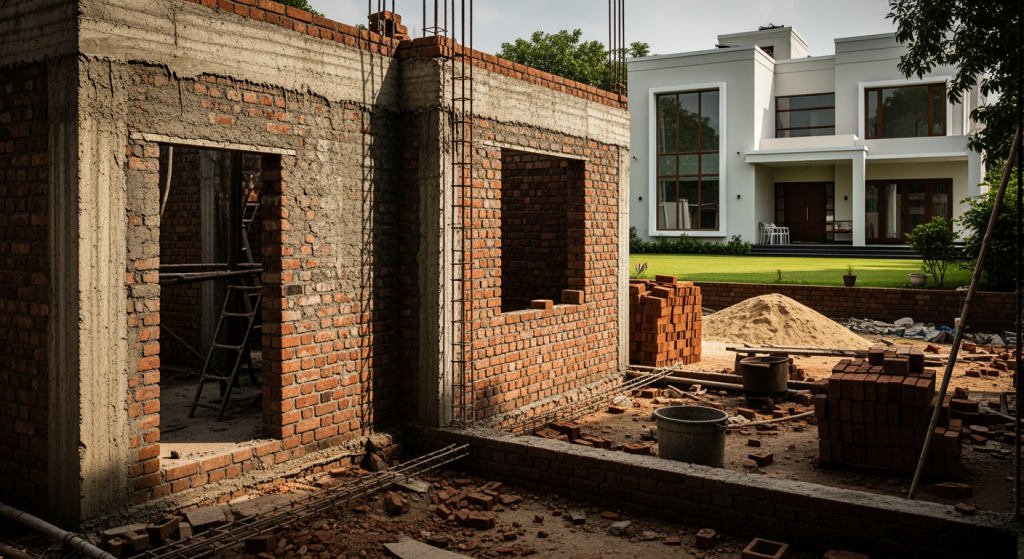
A good friend of mine bought a small plot near Vaishno Devi Circle a couple of years back. For six months, our weekend catch-ups turned into grief sessions about cement grades, erratic sand deliveries from the Sabarmati basin, and electricians who vanished right when the slab was being cast. He had opted for a labour contract, thinking he would save money. By the time the lintels went up, he had burned through his contingency budget and half his annual leave.
That is usually the moment people start asking about turnkey home construction Ahmedabad builders often talk about. In plain terms, a turnkey contract means you hire a single team to design, build, and finish the house from bare ground to the day they hand you the front door key. You agree on the design, set the specifications, sign a fixed timeline and price, and let the builder absorb the daily operational headaches.
Still, is it always the right choice? That depends entirely on how much free time, technical know-how, and patience you have in reserve.
How Turnkey Compares to Other Ways of Building
When you set out to build an independent house, you generally choose between four distinct models. Each one asks something different from your schedule and bank account.
1. Turnkey Construction: One entity takes single-point responsibility. The architect, structural engineer, site supervisors, and sub-vendors all answer to that firm. If water pipes leak behind the bathroom tiles three weeks before possession, there is no finger-pointing between the plumber and the civil contractor. You have one contract and one neck to wring. It carries a contractor markup, naturally, but it locks in your cost upfront.
2. Design-Only (Architectural Mandate): You hire an architect to draw plans, structural layouts, and interior concepts. Once drawings are stamped, the architect’s job is done—or limited to periodic site reviews. Finding contractors, buying materials, and settling on-site disputes falls squarely on your shoulders. It gives you aesthetic control, but leaves you managing the messy execution.
3. Labour-Only Contracts: Here, you buy every single bag of cement, truckload of aggregate, conduit pipe, and bag of plaster. The contractor provides only the manual workforce. It sounds cheap on paper, but material wastage can spiral out of control. If you cannot spot the difference between adulterated sand and washed river sand at 7:00 AM on a Tuesday, you might pay a heavy price later. Explore our guide on INTERNAL_LINK_1 to understand how procurement slips eat into savings.
4. Project Management Consultant (PMC): In this model, you hire an independent project manager who works for you on a monthly fee or a percentage of project cost. They hire vendors, supervise work, and audit quality. It works well for large villas, though you still hold the individual financial contracts with each vendor.
According to construction cost analyses reported by the Indian Institute of Architects (IIA), uncoordinated labour contracts regularly exceed original budgets by 18 to 25 percent simply due to procurement delays, design rework, and material misplacement. A fixed turnkey model, while seemingly pricier at the start, substantially caps that financial bleed.
The Turnkey Scope Checklist: What Must Be Included
Not every turnkey agreement covers the same scope. Some contractors define "turnkey" as grey structure with bare-bone flooring, while others include bespoke cabinetry and light fixtures. Before signing any contract in Ahmedabad, make sure your agreement covers these eight essential pillars:
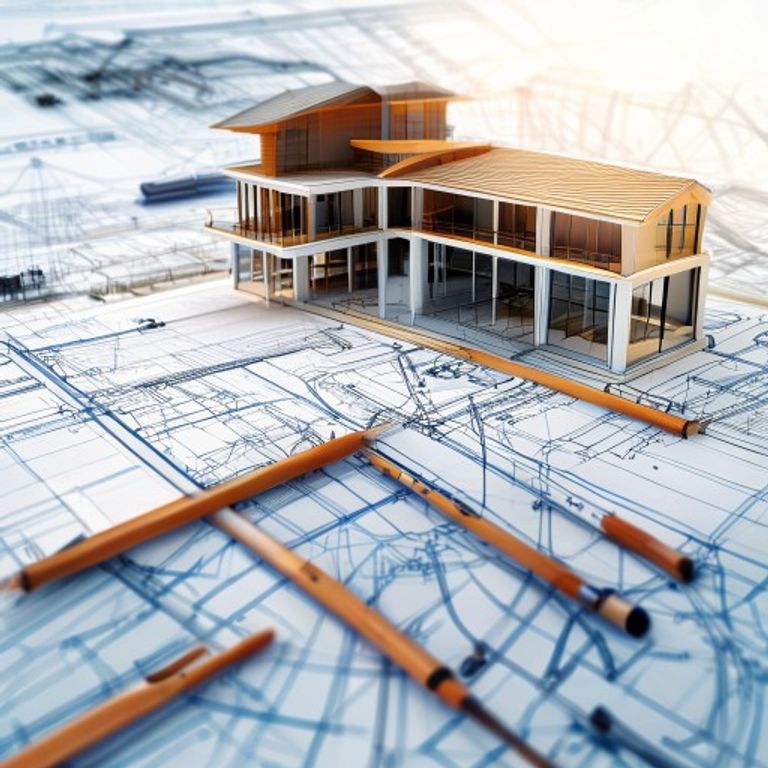
- Drawings & Architecture: Architectural floor plans, elevations, structural drawings certified by an empanelled structural engineer, electrical layouts, plumbing schematics, and 3D elevations.
- Statutory Approvals: Plan sanctions, scrutiny fee submissions, and layout clearance with local authorities like the Ahmedabad Urban Development Authority (AUDA) or the Ahmedabad Municipal Corporation (AMC).
- Materials & Procurement: A transparent "Schedule of Finishes" listing exact brands (e.g., Ultratech or Ambuja cement, Tata Tiscon TMT bars, Astral pipes, Polycab wiring). No vague terms like "equivalent brand."
- Civil Works: Soil testing, excavation, anti-termite treatment, plinth beam construction, RCC framing, brick masonry, and two-coat external sand-face plaster with water-proofing compounds.
- MEP Services: Concealed plumbing, drainage systems connected to the main municipal chamber or septic tank, earthing pits, and fire-resistant concealed electrical conduits.
- Interiors & Finishes: Vitrified floor tiling, granite kitchen counters, bathroom sanitaryware, internal putty, primer, and premium emulsion paint coats.
- Supervision & Safety: A full-time qualified site engineer, scheduled cube-testing for concrete strength, and third-party quality audits. Check out our checklist on INTERNAL_LINK_2 for tips on monitoring structural quality.
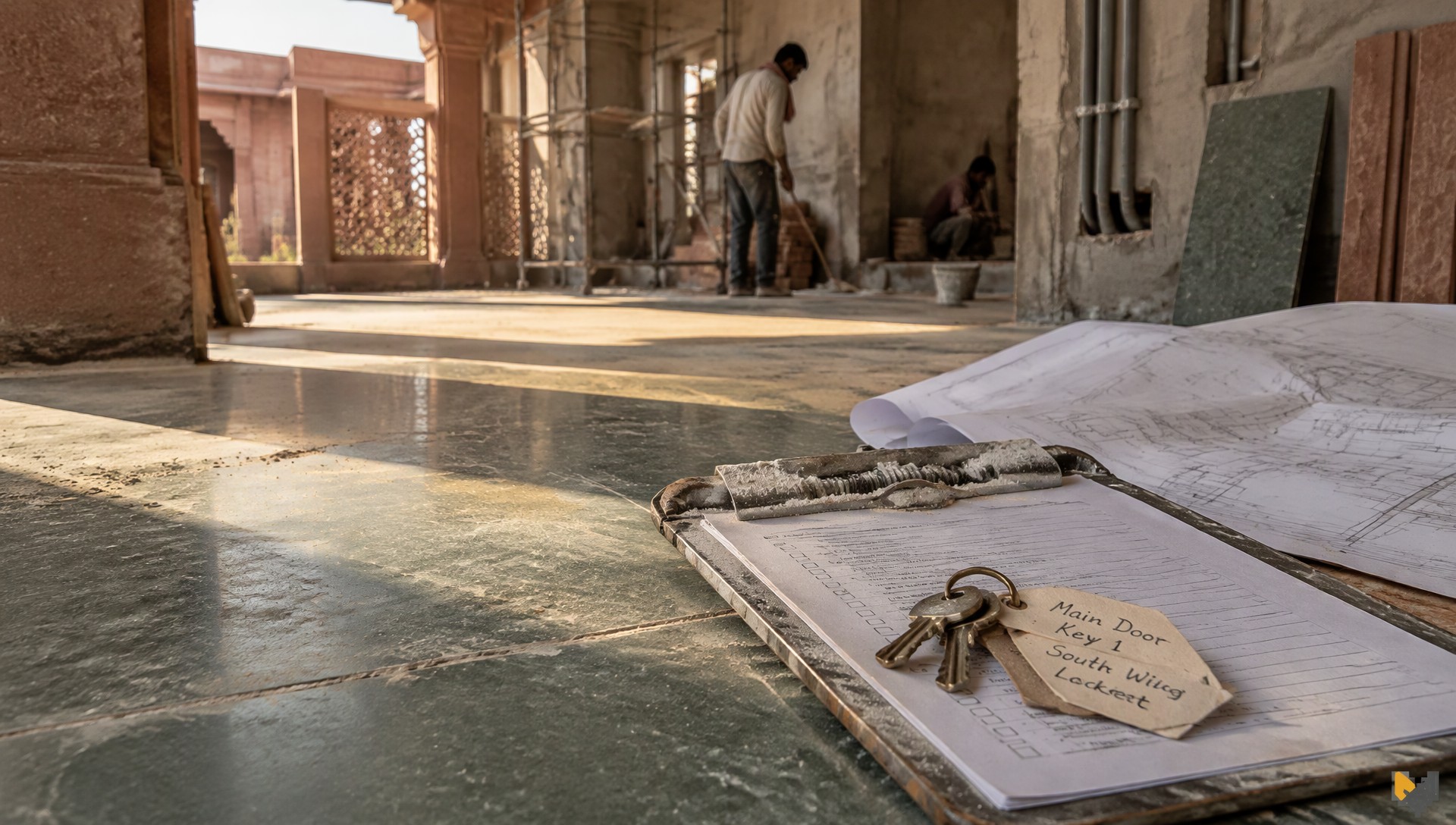
- Handover & Snagging: A formal snagging run-through where flaws are documented and repaired, followed by the delivery of "as-built" drawings, equipment warranties, and the Building Use (BU) permission.
Ahmedabad Realities: Approvals, Soil, and Execution
Building in Ahmedabad brings quirks that standard national guides often overlook. Take the soil condition in growing western pockets like Shela, South Bopal, and Godhavi. Much of this land has expansive black cotton soil with high shrink-swell tendencies. A turnkey builder worth their salt will run a borehole test first and likely recommend pile foundations or a heavier raft foundation rather than basic isolated footings.
Then there is regulatory compliance. Under regulations overseen by the Gujarat Real Estate Regulatory Authority (GujRERA) and local municipal building bylaws, fire safety, water harvesting pits, and setback margins are checked strictly before Building Use (BU) certificates are granted. If your contractor cuts corners on the side setback to squeeze in a slightly larger porch, your occupancy permission can stall indefinitely.
A turnkey setup shifts that regulatory burden onto the contractor. If the building does not match sanctioned AUDA parameters, they bear the cost of rectification. For busy professionals or families living outside the state while their home is being built, this accountability is worth every rupee.
Take your time picking a partner. Ask to visit their active sites—not just their finished showcase homes. Look at how they store steel bars, check if workers wear safety helmets, and speak directly with past clients. Building a family home is a deeply emotional milestone; having the right team handle the day-to-day work lets you actually enjoy watching it rise from the ground.