A friend recently called me from a plot he had just purchased out toward Shobhagpura. He was holding two different quotations from local builders, looking completely puzzled. One quote came in at ₹1,650 per square foot, while the other sat firmly at ₹2,200. On paper, both promised to build his dream three-bedroom home. So, why the massive gap?
If you have spent any time looking for a reliable house construction company Udaipur offers, you have likely run into this exact puzzle. Comparing builders in the City of Lakes is rarely apples-to-apples. One team quotes for a bare-bones shell with basic red bricks, while another factors in soil testing, earthquake-resistant design, and premium marble finishes. To make a smart choice, you have to peel back the layers and look past the shiny brochures.
The Paper Trail: Scope, Drawings, and Approvals
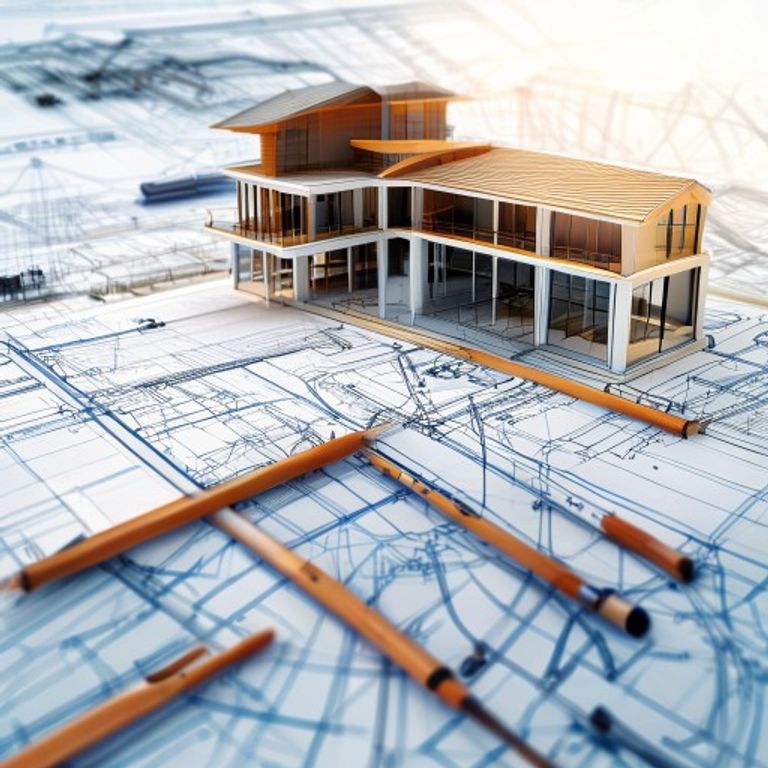
Before anyone mixes a single bag of cement, you need clarity on what is actually being designed. A cheap contract often skips proper engineering drawings. They might hand you a rough floor plan, but do they provide structural load calculations, electrical conduit schematics, and plumbing lines? Probably not.
In a rocky, uneven terrain like Udaipur’s, structural drawings are non-negotiable. According to building guidelines from the Udaipur Development Authority (UDA), following designated seismic safety norms and structural setback rules is mandatory for residential safety. A reputable builder will handle your municipal permissions and coordinate architectural, structural, and plumbing layouts before breaking ground.
When comparing proposals, ask each firm to list every drawing they provide. If one company includes full structural engineering alongside 3D elevation renders while another just offers a simple 2D sketch, that accounts for a big chunk of the price gap right away. You can explore our guide on INTERNAL_LINK_1 to see what standard pre-construction documentation should look like.
Under the Surface: Materials and On-Site Supervision
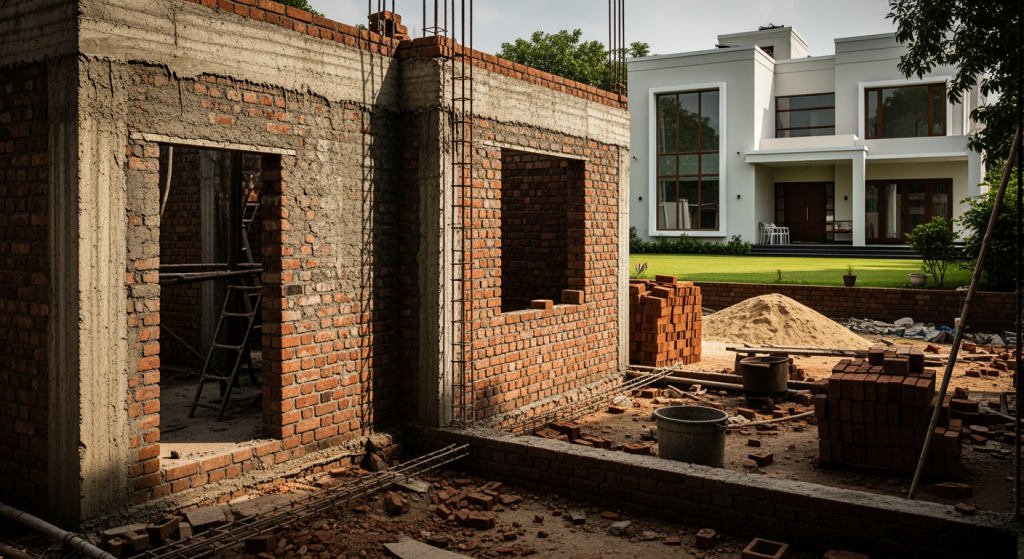
Here is an uncomfortable truth: two houses can look identical on moving day, but one might develop hairline cracks and peeling plaster within eighteen months. The difference always traces back to raw material grades and site supervision.
Take cement and steel, for example. Does the quotation specify primary steel brands like Tata Tiscon or Jindal Panther, or does it leave things open with vague phrasing like “reputed TMT bars”? What about the cement grade? A 2023 study published in the Indian Concrete Journal pointed out that improper sand gradation and unmonitored water-cement ratios cause up to 60% of premature dampness and surface cracking in private residential builds across northwestern India. If a contractor uses unwashed local sand with high silt content, your walls will pay the price later.
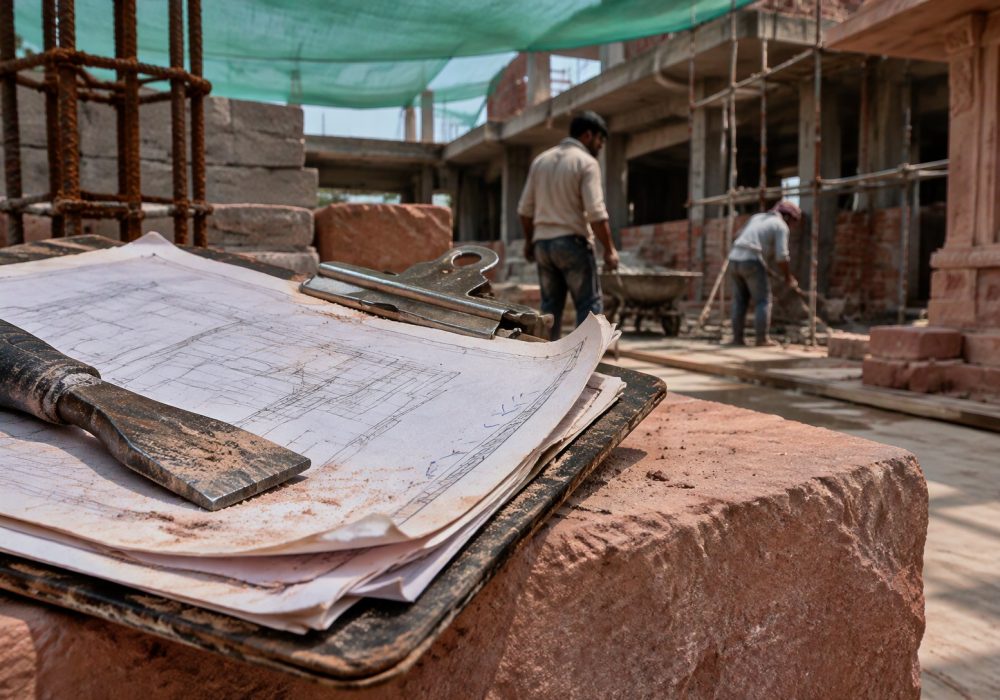
Then comes site management. Ask who is actually watching the work. Is there a qualified civil engineer on site every morning, or does an overextended thekedar stop by for twenty minutes between four other jobs? If an engineer is running the site, mistakes get caught before concrete is poured. If not, laborers cut corners to finish early.
Payment Schedules, Timelines, and Defect Warranties
How a company asks for money tells you everything about how they run their business. Never work with a team that demands payments based on calendar dates. If a builder asks for 20% on the first of every month, run. What happens when monsoon rains stall the work or marble deliveries get held up?
Legitimate builders align billing with visible milestones: foundation completion, ground-floor slab cast, brickwork finished, external plaster done, and final handover. A landmark advisory from the Rajasthan RERA portal emphasizes milestone-based billing to protect homeowners from project abandonment and artificial cost escalations.
Check their weather and material assumptions too. Did they budget extra days for the heavy Mewar monsoon season? What happens if cement prices spike mid-build? Clarify these points in black and white.
Do not forget the warranty. Many independent contractors disappear the minute they hand over the keys. You want a written structural defect liability period of at least five years, along with a one-year warranty on waterproofing and plumbing lines. If something starts leaking behind a tile six months after you unpack, you should not be footing the repair bill alone.
Visiting Finished Work and Where MG Fits In
Before signing a contract, leave the sales office and get your boots dirty. Ask every shortlisted builder to take you to two sites: one currently under construction, and one completed two or three years ago.
On the active site, look at site cleanliness, storage of steel (is it rusting in mud?), and whether workers wear basic safety gear. On the older property, speak directly with the homeowner without the contractor hovering over your shoulder. Ask them: Did the builder finish on budget? Did they answer calls when minor issues popped up after handover?
If you are weighing your options in town, this is where MG comes into the picture. For homeowners looking for structured turnkey civil contracting, MG operates with fully itemized bills of quantities, defined milestone payments, and dedicated on-site engineering oversight. Rather than dealing with fragmented sub-contractors, MG provides single-point accountability from foundation work to final coat of paint. You can read more about project delivery frameworks in our INTERNAL_LINK_2.
Building a home in Udaipur is likely one of the largest financial commitments you will ever make. Take your time, demand itemized line items, and partner with a team that treats your budget with the same respect you do.